
Women often balance careers, family responsibilities, and personal commitments, leaving little time to focus on their own health. However, regular health checkups play a vital role in preventing diseases, identifying medical conditions early, and maintaining overall well-being. Many serious health issues, including cervical cancer, breast diseases, hormonal disorders, and reproductive problems, may not show noticeable symptoms in their early stages. Routine screening helps detect these conditions before they become more complicated.
Whether you are in your 20s, planning a pregnancy, managing menopause, or enjoying your senior years, preventive healthcare should always be a priority. Regular consultations with the Best Gynecologist in Muzaffarnagar can help women receive timely diagnosis, personalized treatment, and guidance for lifelong reproductive health.
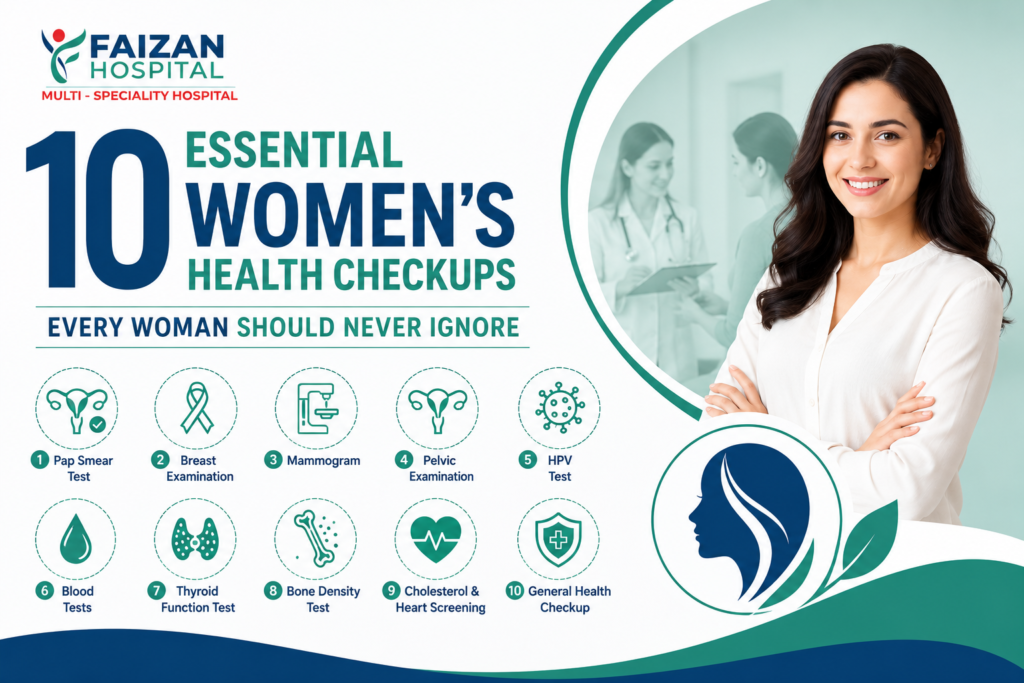
Every stage of a woman’s life comes with unique health needs. Some screenings help prevent serious diseases, while others monitor reproductive health, hormonal balance, and overall wellness. Staying consistent with these checkups not only improves long-term health outcomes but also provides peace of mind. Below are the 10 essential women’s health checkups that every woman should include in her preventive healthcare routine.
1. Routine Gynecological Examination
A routine gynecological examination is one of the most important preventive health checkups for women. During this visit, your gynecologist evaluates your reproductive health, discusses menstrual patterns, sexual health, contraception, and any symptoms you may be experiencing.
Regular examinations can help identify conditions such as:
- Ovarian cysts
- Pelvic infections
- Endometriosis
- Uterine fibroids
- Hormonal disorders
Even if you feel healthy, an annual gynecological checkup is recommended to ensure everything is functioning normally.
2. Pap Smear Test
A Pap smear is an essential screening test that helps detect abnormal changes in cervical cells before they develop into cervical cancer.
Women generally begin Pap smear screening at the age recommended by their healthcare provider and continue at regular intervals based on age, medical history, and previous test results.
Early detection significantly improves treatment outcomes and reduces the risk of cervical cancer.
3. HPV Screening
Human Papillomavirus (HPV) is one of the leading causes of cervical cancer. HPV testing is often performed along with a Pap smear, especially for women over a certain age or those at higher risk.
The test identifies high-risk HPV strains that may lead to cervical cell changes. Detecting the infection early allows doctors to monitor and manage potential complications before cancer develops.
4. Breast Examination and Mammography
Breast cancer remains one of the most common cancers affecting women worldwide. Regular breast self-examinations combined with clinical breast examinations help detect unusual lumps, skin changes, or nipple discharge.
Depending on age and individual risk factors, mammography may be recommended as part of routine screening.
Early diagnosis offers better treatment options and significantly improves survival rates.
5. Pelvic Ultrasound
A pelvic ultrasound provides detailed images of the uterus, ovaries, fallopian tubes, and surrounding organs.
Doctors commonly recommend this imaging test to investigate:
- Heavy menstrual bleeding
- Pelvic pain
- Ovarian cysts
- Fibroids
- Infertility concerns
- Pregnancy-related evaluations
It is a safe, non-invasive diagnostic tool that provides valuable information about reproductive health.
6. Bone Density Test
As women age, especially after menopause, bone loss becomes more common due to reduced estrogen levels.
A bone density scan helps assess bone strength and detect osteoporosis before fractures occur.
Women with a family history of osteoporosis, low body weight, or previous fractures may benefit from earlier screening.
Maintaining strong bones through early diagnosis, proper nutrition, and exercise can prevent future complications.
7. Hormonal Profile Testing
Hormones regulate many important body functions, including menstruation, fertility, metabolism, mood, and overall reproductive health.
Hormonal testing may be recommended for women experiencing:
- Irregular periods
- Excessive hair growth
- Acne
- Difficulty conceiving
- Sudden weight changes
- Menopause symptoms
Blood tests help identify hormonal imbalances, allowing doctors to recommend appropriate treatment plans tailored to each patient’s needs.
8. Blood Sugar and Blood Pressure Screening
Although these tests are not exclusively related to reproductive health, they are essential for every woman.
High blood pressure and diabetes can affect:
- Pregnancy outcomes
- Heart health
- Kidney function
- Fertility
- Overall quality of life
Regular monitoring helps detect these conditions early, reducing the risk of long-term health complications.
Women with a family history of diabetes or hypertension should be especially vigilant about routine screening.
9. Thyroid Function Test
Thyroid disorders are more common in women than men and often remain undiagnosed for years.
Symptoms may include:
- Fatigue
- Weight gain or loss
- Hair thinning
- Mood changes
- Menstrual irregularities
- Fertility issues
A simple blood test can determine whether the thyroid gland is functioning properly and help doctors recommend effective treatment if necessary.
10. Pregnancy and Fertility Assessment
Women planning to conceive should undergo a comprehensive pre-pregnancy evaluation.
This assessment may include:
- General health examination
- Blood investigations
- Hormonal evaluation
- Ultrasound
- Nutritional assessment
- Vaccination review
Early fertility evaluation can also help couples identify potential challenges and begin appropriate treatment without unnecessary delays.
Seeking care at the best gynecologist hospital in Muzaffarnagar ensures access to experienced specialists, advanced diagnostic facilities, and personalized treatment plans for pregnancy and fertility care.
Why Regular Women’s Health Checkups Matter
Preventive healthcare is always more effective than treating advanced disease. Regular screenings help detect health concerns before symptoms appear, making treatment easier, less invasive, and more successful.
Routine health checkups also provide an opportunity to discuss lifestyle habits, nutrition, family planning, menopause management, and emotional well-being with an experienced gynecologist.
Women who prioritize preventive care often experience:
- Earlier disease detection
- Better reproductive health
- Improved pregnancy outcomes
- Reduced risk of chronic illnesses
- Greater peace of mind
- Better quality of life
Choosing the Right Gynaecology Care
Selecting an experienced healthcare provider is essential for receiving accurate diagnosis and compassionate treatment.
Advanced gynaecology care includes comprehensive services such as:
- PCOS treatment
- Menstrual disorder management
- Fibroid treatment
- Pregnancy care
- Preventive women’s health checkups
- Hormonal imbalance treatment
- Fertility consultation
- Minimally invasive gynecological procedures
Personalized treatment plans, modern diagnostic technology, and patient-focused care help women achieve better long-term health outcomes at every stage of life.
Final Thoughts
Women’s health deserves consistent attention, not just when symptoms appear. Regular checkups empower women to take control of their health, prevent serious diseases, and receive timely treatment whenever needed. From adolescence to menopause and beyond, preventive screenings remain one of the most effective ways to protect reproductive health and overall well-being.
If you are looking for expert women’s healthcare, advanced diagnosis, and compassionate treatment, explore our Gynaecology services at Faizan Hospital to receive personalized care from experienced specialists.
Visit : https://faizanhospital.co.in/gynaecology/
FAQ
1. How often should women have a gynecological checkup?
Most women should schedule a gynecological examination once a year, although the frequency may vary depending on age, medical history, and individual health concerns.
2. When should a woman start getting Pap smear tests?
The appropriate age and screening interval depend on individual health factors and medical guidelines. Your gynecologist can recommend the best schedule for you.
3. Are routine women’s health checkups necessary even without symptoms?
Yes. Many reproductive and hormonal conditions develop without noticeable symptoms. Preventive checkups help identify these issues early.
4. Which conditions are commonly treated in a gynecology department?
Common conditions include PCOS, menstrual disorders, uterine fibroids, hormonal imbalances, fertility concerns, pregnancy-related care, and menopause management.
5. Why is preventive gynecological care important?
Preventive care helps detect diseases early, improves treatment outcomes, supports reproductive health, reduces future complications, and promotes overall wellness.
Our Specialized Treatments :–
Best Laparoscopy Hospital in Muzaffarnagar , Urology Hospital in Saharanpur , Best Kidney Stone Hospital in Saharanpur , Best Pregnancy Hospital in Saharanpur , Pregnancy Care in Deoband